

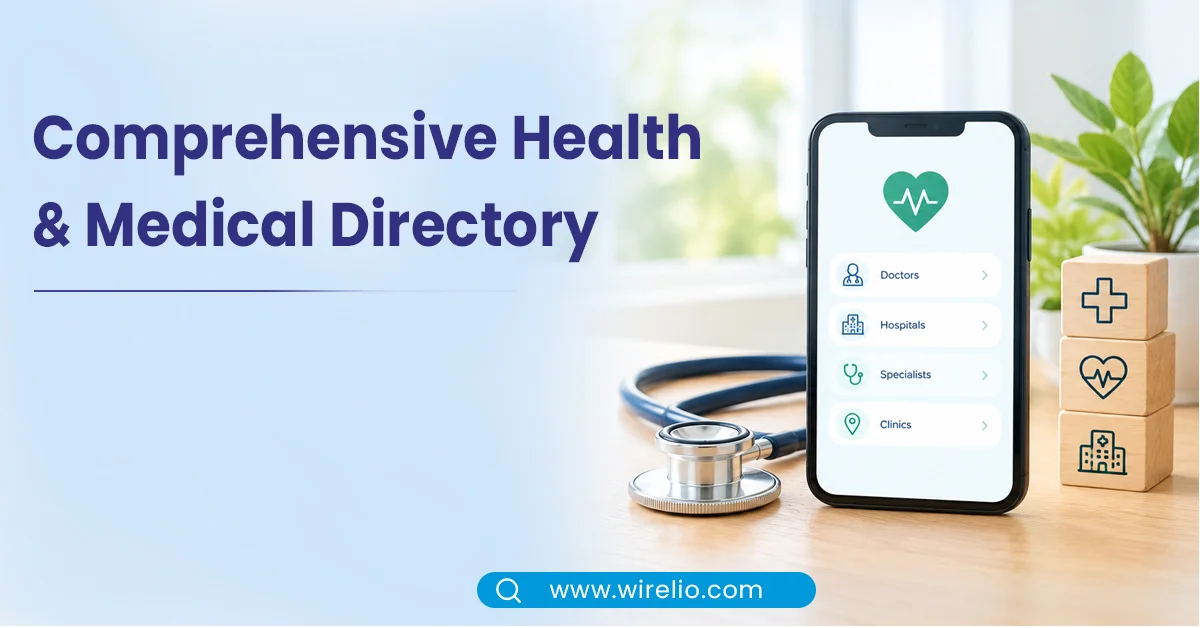

A comprehensive health & medical directory is far more than a list of diseases. It is a structured, trustworthy reference library that helps you understand your body, recognize warning signs early, evaluate treatment options, and build healthier daily habits. This guide explains what a modern medical directory contains, how to use one responsibly, and how to separate reliable health information from online noise.
What Is a Comprehensive Health & Medical Directory?
A comprehensive health and medical directory is an organized collection of health topics — diseases, conditions, symptoms, anatomical systems, treatments, preventive care, nutrition, mental health, and wellness — presented in a consistent, easy-to-navigate format. Unlike a search engine that returns a chaotic mix of forums, advertisements, and unverified blogs, a curated directory applies editorial standards, medical review, and clear structure so you can find accurate information quickly.
Think of it as a medical encyclopedia for everyday people: detailed enough to be genuinely useful, but written in plain language rather than clinical jargon. It does not replace a doctor — it makes your time with a doctor more productive because you arrive informed, with better questions and a clearer picture of what you are experiencing.
Why Trusted Health Directories Matter
Health misinformation spreads faster than ever. A single misleading article or viral social post can lead people to delay treatment, misuse medication, or adopt harmful habits. A well-built medical directory acts as a filter between you and the noise.
- Early recognition: Understanding symptoms helps you identify problems before they escalate.
- Better doctor visits: Informed patients ask sharper questions and describe symptoms more accurately.
- Preventive focus: Directories cover sleep, nutrition, stress, and exercise — the habits that shape long-term health.
- Reduced anxiety: Clear, factual explanations replace the fear that comes from vague or contradictory search results.
- Informed decisions: Knowing standard treatment options helps you evaluate advice and ask about alternatives.
What a Comprehensive Medical Directory Covers
A well-rounded directory is organized into several major categories, each serving a different purpose in your health journey.
1. Diseases and Medical Conditions
Detailed entries on infections, chronic illnesses, genetic disorders, autoimmune conditions, cancers, and metabolic diseases. Each entry typically covers causes, risk factors, symptoms, diagnosis, treatment options, and prevention.
2. Symptoms and Warning Signs
Symptom-based guides help you understand what a headache, rash, fatigue, or chest pain might indicate — and, critically, when a symptom requires urgent medical attention.
3. Anatomy and Body Systems
Explanations of the circulatory, respiratory, nervous, digestive, endocrine, and reproductive systems. Understanding normal anatomy makes it easier to understand what goes wrong in disease.
4. Treatments and Procedures
Overviews of medications, therapies, surgical procedures, and diagnostic tests — what they do, why they are used, and what to expect.
5. Mental Health and Emotional Well-Being
Coverage of anxiety, depression, stress, coping strategies, therapy approaches, and the mind-body connection. Mental health is health, and a comprehensive directory treats it that way.
6. Nutrition, Fitness, and Lifestyle
Guidance on diet, exercise, sleep hygiene, hydration, weight management, and habit formation — the foundations of preventive health.
7. Preventive Care and Public Health
Vaccination schedules, screening guidelines, hygiene practices, and information on communicable disease prevention.
8. Women’s, Men’s, and Children’s Health
Specialized sections addressing the unique health needs across life stages, from puberty and fertility to pregnancy, menopause, and healthy aging.
How to Use a Medical Directory Responsibly
A directory is a tool — and like any tool, it works best when used correctly. Follow these principles to get the most from it while staying safe.
- Start with symptoms, not self-diagnosis. Search for what you are feeling, read broadly across related topics, and resist the urge to conclude you have a specific condition.
- Read multiple related entries. Conditions overlap. Asthma, anxiety, and acid reflux, for example, can all present with breathing discomfort — only a clinician can differentiate them.
- Separate education from diagnosis. Use the directory to learn; use a qualified professional to diagnose and treat.
- Check the date. Medical knowledge evolves. Prefer recently reviewed or updated content.
- Cross-reference trusted authorities. Confirm important information with the WHO, CDC, NHS, or your national health authority.
- Never stop or change medication based on an article. Always consult your prescribing doctor first.
How to Spot Reliable Health Information
Not all health content is created equal. Use this checklist to evaluate what you read online.
- Authorship: Is the article written or reviewed by a qualified medical professional? Is the author identified?
- Sources: Are claims backed by citations to peer-reviewed research, medical institutions, or government health bodies?
- Objectivity: Does the content avoid sensational claims, “miracle cures”, or aggressive promotion of a single product?
- Balance: Does it present risks and benefits honestly, rather than only benefits?
- Currency: Is there a clear publication or last-reviewed date?
- Transparency: Does the site clearly state that its content is educational and not a substitute for professional medical advice?
What a Health Directory Cannot Do
Honesty matters. Even the best directory has limits, and recognizing them is part of using one wisely.
- It cannot diagnose you. Diagnosis requires physical examination, history-taking, and often laboratory tests.
- It cannot prescribe treatment. Treatment must be individualized to your body, history, and circumstances.
- It cannot replace emergency care. If you are experiencing a medical emergency, call emergency services immediately — do not search online first.
- It cannot account for your full context. Age, genetics, medications, allergies, and lifestyle all influence health in ways a general article cannot capture.
When to Seek Emergency Medical Care
Some symptoms demand immediate attention, regardless of what any article says. Call emergency services or go to the nearest emergency department if you or someone else experiences:
- Chest pain, pressure, or tightness
- Difficulty breathing or shortness of breath
- Sudden weakness, numbness, or paralysis on one side of the body
- Severe, sudden headache (“worst headache of your life”)
- Loss of consciousness or confusion
- Severe bleeding that will not stop
- Severe allergic reaction (swelling of face or throat, difficulty swallowing)
- High fever with stiff neck or rash
Building Health Literacy: A Lifelong Investment
Health literacy — the ability to find, understand, and apply health information — is one of the most valuable life skills you can develop. A comprehensive medical directory is a training ground for that skill. The more you read, the better you become at distinguishing credible information from noise, at recognizing patterns in your own health, and at advocating for yourself in medical settings.
Use the directory as a starting point for curiosity, not as a final answer. Pair it with regular check-ups, honest conversations with your doctor, and a willingness to ask questions. That combination — informed curiosity plus professional guidance — is what produces genuine, lasting health.
Key Health Takeaways & Summary
- Proactive Awareness: A comprehensive understanding of a health & medical directory enables early recognition of potential signs and empowers informed health choices.
- Personalized Healthcare: Always consult certified physicians or specialists for accurate diagnostics, personalized medical evaluations, and tailored therapy plans.
- Holistic Well-Being: Balancing clinical treatments with evidence-based nutrition, restorative sleep, and lifestyle habits ensures optimal, long-term vitality.

No comments posted yet. Be the first to express your thoughts!